Food allergies: I hate them. I never, ever, ever saw them coming, and I never thought I would have to deal with them. Quite frankly, they have been both a much bigger and smaller cross to bear than I ever imagined.
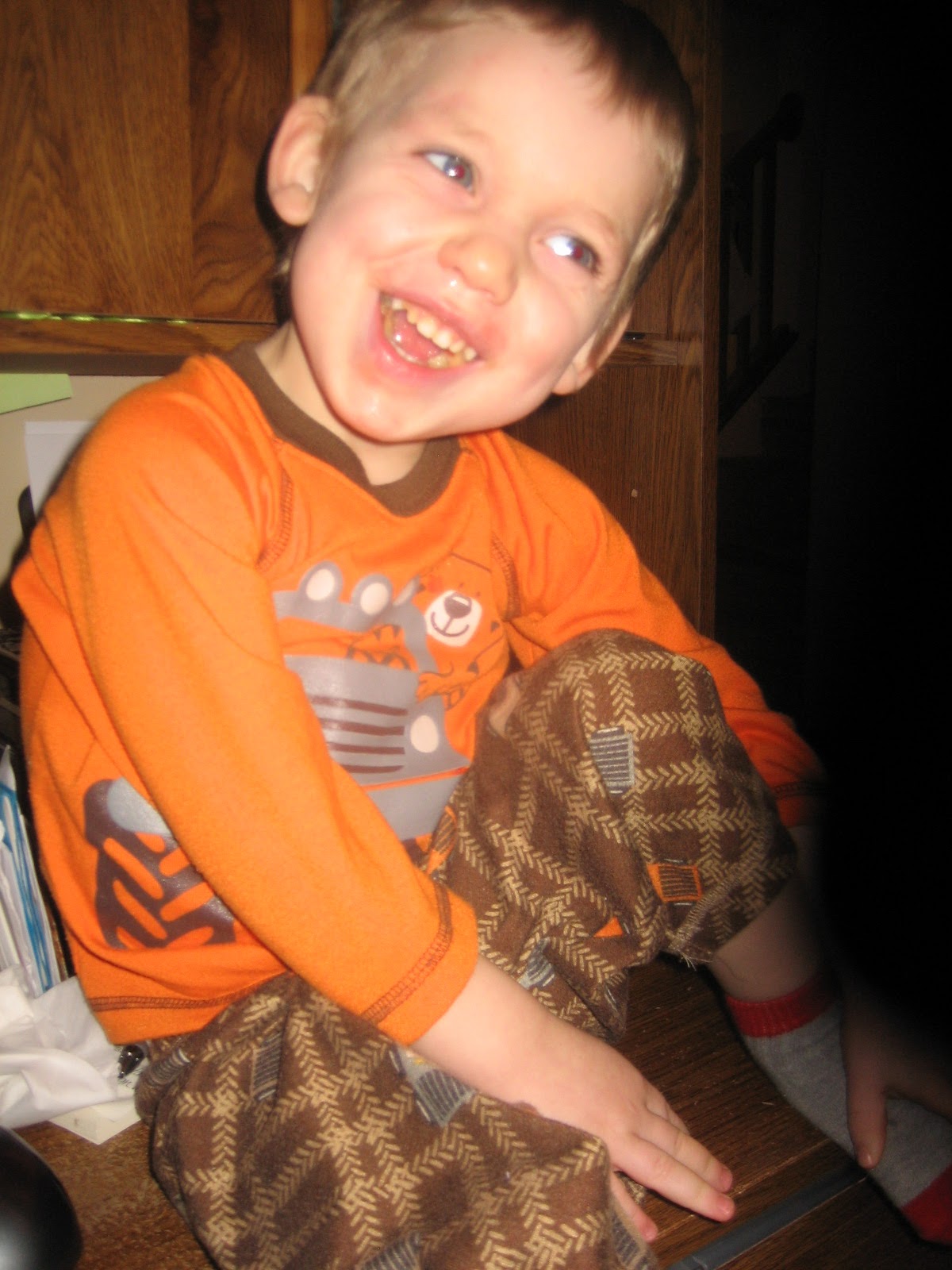
When I learned that Ben was allergic to nuts I was bummed, but not too worried. Easy PBJs would have to be moved out of the easy lunch menu rotation but we could make it work. But when we learned that JF is allergic to dairy, nuts, eggs, wheat, tomatoes, and soy (along with cats, dust, and various seasonal crap) I was both incredibly sad and really worried.
Food is an important part of every single culture. One's ethnicity, religion, and socio-economic situation all combine to define what we eat and how we eat it, and what we eat and how we eat it help to define who we are.
Food brings people together. It helps us celebrate and grieve. It heals us and unites us. Traditions center around it and our holidays are filled with specific food that for a general culture and individual families help define that holiday.
The Super Bowl has chips, dip, wings, and beer. Birthday parties, weddings, graduations, and pretty much every other celebration has cake. And on it goes...
Valentine's Day: chocolate
St. Patrick's Day: corned beef, soda bread, potatoes, and beer
Lenten Fridays: mac n' cheese, grilled cheese, cheese pizza and fish
Easter: chocolate bunnies and jelly beans
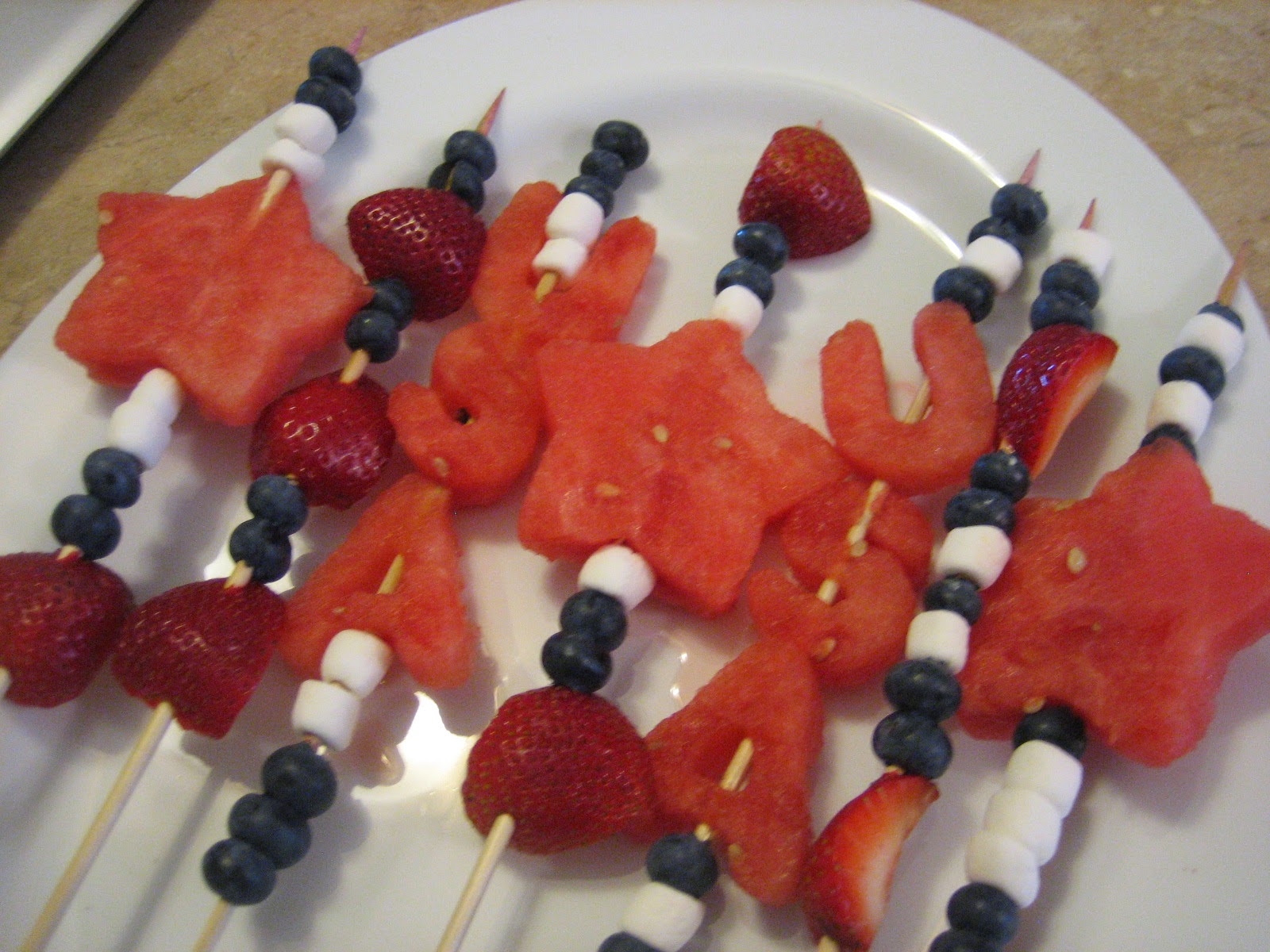
Fourth of July: hot dogs and watermelon
Halloween: Trick-or-Treat candy and caramel apples
Thanksgiving: turkey, buttery mashed potatoes, stuffing, dinner rolls, and pumpkin pie with whipped cream
St. Nicholas' feast day: Chocolate coins and candy canes
Christmas: cut-out cookies, hot chocolate, and casseroles
So just what do you feed a kid who is allergic to everything? And how do you make stuff special when so many of the celebratory food gold standards (pizza, ice cream, s'mores, and cake) were now off limits?
If you are a mom who just learned that your child has food allergies I want to tell you something:
It is hard. And it can be very isolating. And people won't get it. And you will worry about your child every single day, especially if the allergies are severe. But you can do it. Your child will learn to advocate and ask questions to keep himself safe. Your loved ones will come to understand and will put your child's presence above the importance of the family's traditional pecan pie. And you will find that there are lots of foods you can feed for your child and your whole family. You can do this.
But first... go ahead and cry. Mourn those nachos, family pizza nights, Taco Tuesdays, and casseroles. Mourn the birthday cakes and milkshakes and Go'Gurts. Mourn the loss of friends and social functions. Cry and feel afraid for a little bit because I understand and I think you deserve it. But once you're ready to move on and get going, well let's get going.
The first step in moving forward is figuring out what is going to work with your family. Our situations will vary, but I am going to share five ways I feed my son - who is allergic to everything - and keep him safe in the world. Maybe some of them will be helpful to you.
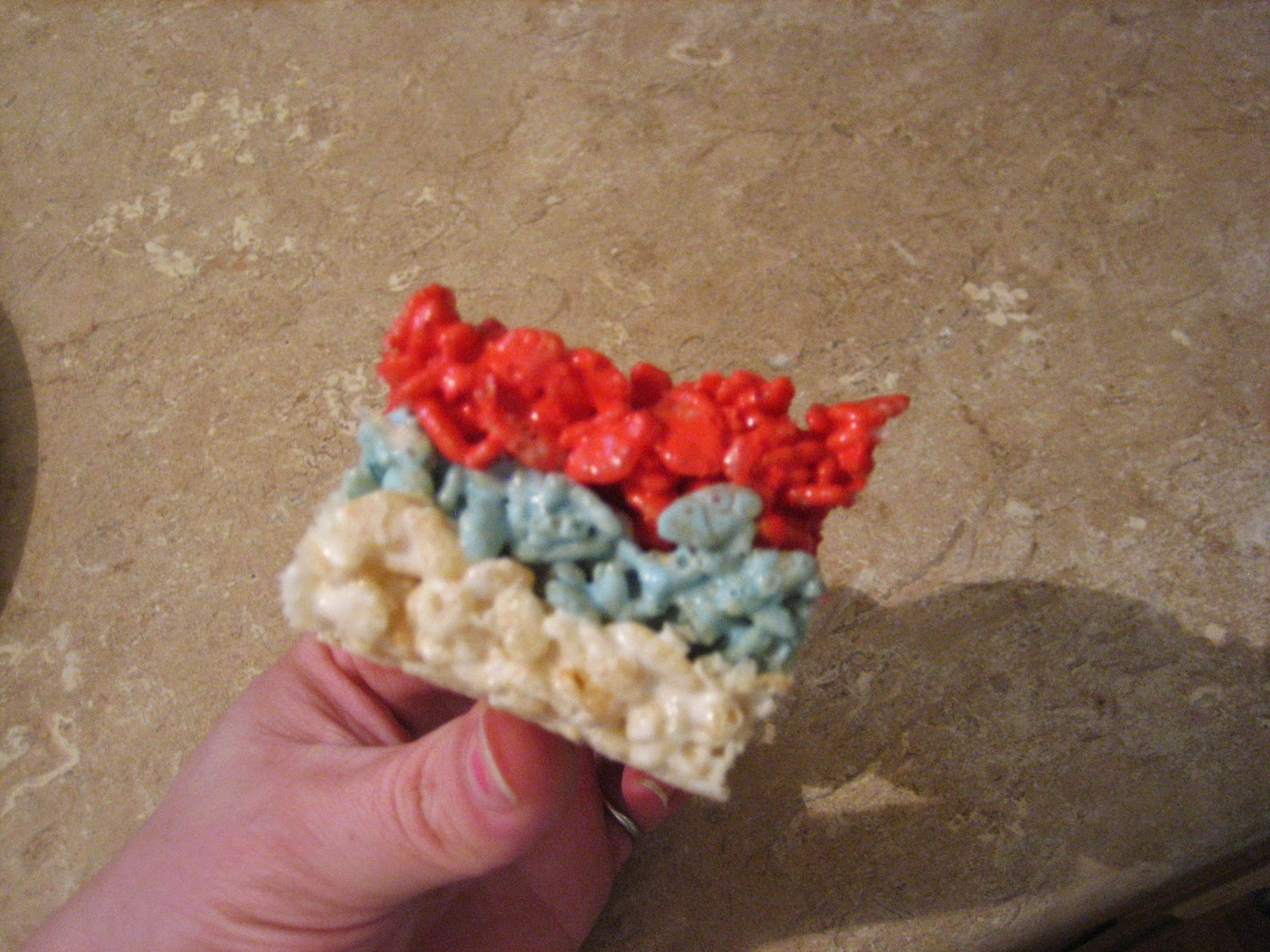
#1 - Realize he's not allergic to everything. When wheat, dairy, eggs, nuts, tomatoes, and soy were taken out of our family dinners I was reeling, but the truth is there is a whole month's worth of dinners that don't have to contain any of those items. Basic meat, veggies, and fruits. Rice, quinoa, and steel cut oats. Vanilla Rice Milk isn't so bad, rice krispie treats can be made with coconut oil, and Earth Balance Soy Free "butter" spread is actually pretty good. Salt, pepper, and other seasonings go a long way and there's lots of tricks vegans have been using for years that can be borrowed.
Focus on what still *is* on the menu, not what isn't.
#2 -
Try new recipes knowing that some will flop and some foods just can't be replaced. For a long time I felt I had to find recipes that would give me an exact-tasting, allergy-safe version of the food we wanted to eat. But the fact is baking always, and cooking sometimes, relies on chemistry and when you change the ingredients you are not going to get the same result. That being said, some recipes are simple to adapt (like the rice krispie treats mentioned above) and you will learn what they are - just be patient and don't be afraid to try, fail, and throw things out. And by the way, while most recipes I have tried online have failed me in one way or another,
The Healthy Gluten-Free Life Cookbook has been wonderful. I'm not being compensated to say that, either. I just borrowed and then bought the book and want to share, although that is an affiliate link.
#3 - Say "no" to events when you have to. For the most part we have stopped going to potlucks, reunions, parties, and even our parish's coffee and donuts because it's just not safe for our boys, especially our son with the severe allergies. Truthfully, this is one of the hardest parts for me, because I want to be with my loved ones, but food is everywhere and at everything and my child's safety is more important. If it's not a situation where we can control how food is served and when hands are washed we just stay home.
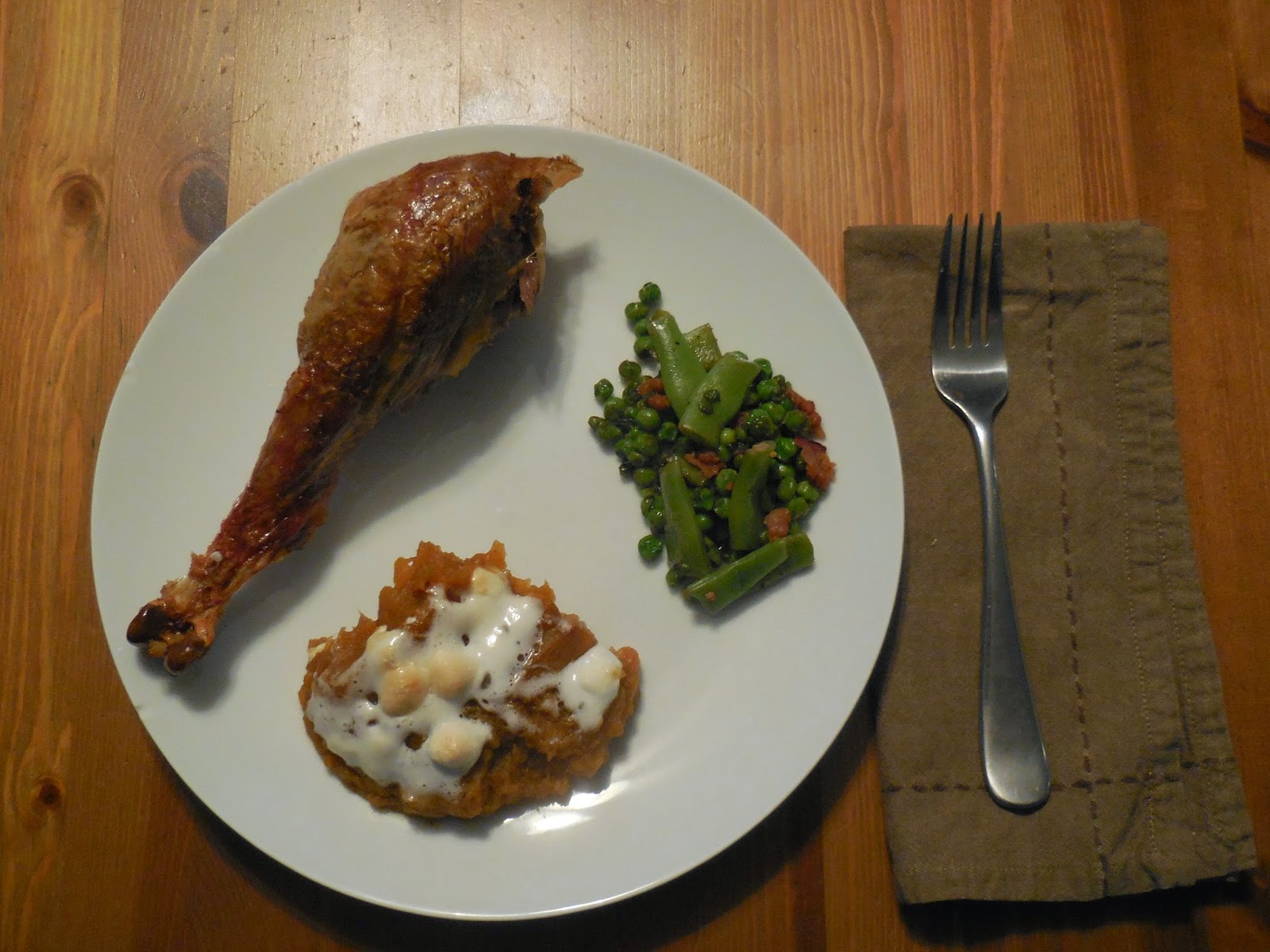
#4 - Say "yes" when you can and help hosts keep things safe. Fortunately there are people who love us and who are willing to learn. We've had entire Thanksgiving dinners that are entirely safe for my boys to eat! When someone offers to make things safe for your child with allergies take them up on it! Explain beforehand what will need to be done and then pitch in, especially if it's the first time for the host. Bringing food, explaining about the allergies and hand washing to other guests, helping to wipe down tables and put food away - all of that helps you and others create a community with the shared goal of protecting your child.
#5 - Have a plan and communicate it. Since allergies, our family has changed how things work in our home and every time food is eaten. We wash hands and mouths after we eat. Food is eaten at the table unless it is a "safe" food which can be taken outside or eaten from a bowl in the living room (popcorn, potato chips, popcicles, fruit). Grazing is not allowed, especially of "unsafe" foods. A pencil bag with emergency drugs accompanies my son everywhere. Anyone who will be left in the care of my boys is trained on how to use an EpiPen. Our kids are taught to speak up - the boys with allergies ask if food is safe for them and their siblings watch out for them, too. Friends, family members, teachers, bus drivers, babysitters - everyone knows about the food allergies in our family and are told the household rules.
Now you may be thinking, "That's nice, lady, but what am I supposed to feed this kid?" Well, here's some standards for us. These foods should all be dairy, egg, nut, wheat, tomato, and soy free although recipes and packaging change so please read labels!
- Earth Balance Soy-Free "Butter" spread
- Live G Free cookies, bars, and pretzels from Aldi
- Oscar Meyer Turkey Selects hot dogs
- Mustard
- Honey
- King Arthur Gluten Free Baking Mix
- Cornstarch (as a thickener for gravies, sauces, etc)
- Applesauce
- Jello brand jello
- Lays Potato Chips
- Tostitos Tortilla Chips
- Tyson Gluten Free Chicken Nuggets
- Italian Ice
- Frozen veggies
- Rice
- baked potatoes
- BACON!!!
- Fresh meats and fish
- Fresh veggies
- Fresh fruit
- Marshmallows
- Rice Krispies
- Kroger brand Chocolate Cheerios
- Corn Flakes
- Vanilla Rice Milk
- Mott's Fruit Snacks
- Regular Skittles
- Smarties
- Regular Starburts
Hopefully that's a helpful start for you! Most likely, you have a lot of those products in your home already. And remember, you can do this!




.JPG)